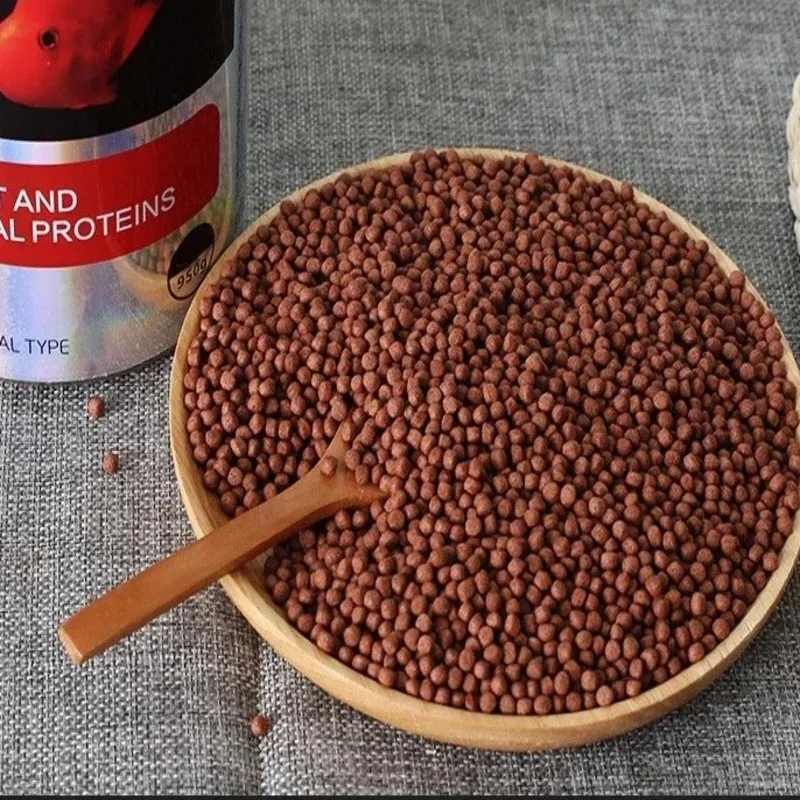
Selecting the right tank fish food is one of the most important decisions an aquarist can make. Fish that live in home aquariums depend entirely on the feed provided by their keepers, and offering a nutritionally complete diet ensures they remain healthy, vibrant, and active. Whether your tank houses freshwater tropical fish, saltwater species, or a mix of unique inhabitants, each type requires careful attention to diet.
Good tank fish food does more than fill bellies. The right mix of nutrients fuels growth, strengthens immunity, brightens coloration, and supports natural behavior. It also adapts to specific feeding preferences, such as surface feeding or foraging at the bottom. In the US, fish owners have access to a wide variety of products, but the abundance of options can create confusion. This guide will break down the best feeding practices for different species and environments, explain how to balance nutrients, and reveal tips for improving overall aquarium health through food choice.
Understanding the Needs of Different Fish Species
When it comes to choosing tank fish food, recognizing the dietary differences between species is critical. Carnivorous fish like bettas, oscars, and certain cichlids require protein‑rich diets, often in the form of frozen or freeze‑dried food like bloodworms, brine shrimp, or krill. Herbivorous fish such as plecos, mollies, and silver dollars thrive on plant‑based foods, including spirulina flakes, blanched vegetables, and algae wafers.
Omnivorous species, such as guppies, gouramis, and most tetras, do best with balanced diets that combine proteins and plant matter. Too much of one nutrient type can disrupt their metabolism, so variety is important. Bottom‑feeders like catfish prefer sinking pellets or wafers, while surface feeders like hatchetfish need floating flakes or pellets to feed comfortably.
Matching food type to your fish’s eating habits avoids waste and ensures every member of the tank receives proper nutrition. By catering to species‑specific needs, you create an environment where fish can thrive and exhibit their most colorful, active behaviors.
Tank Fish Food for Freshwater Aquariums
Freshwater tanks feature a wide diversity of species, and their food requirements vary greatly. Ideal tank fish food for these setups often includes high‑quality flakes for community fish like barbs, mollies, and tetras, since flakes disperse evenly across the water surface. Pellets are better for larger species, providing a more substantial bite and reducing mess in the tank.
Live or frozen options, such as daphnia or mosquito larvae, are excellent for supplementing a primary diet and stimulating hunting instincts. Herbivorous species and algae eaters rely on vegetable‑based wafers, spirulina pellets, or boiled zucchini slices to maintain digestive health.
Water quality plays a big role in food choice. Premium products produce less waste, helping to keep ammonia and nitrate levels under control. Offering a mix of flakes, sinking food, and occasional live treats keeps a freshwater tank balanced, ensuring each species gets what it needs while maintaining a clean, healthy aquatic habitat.
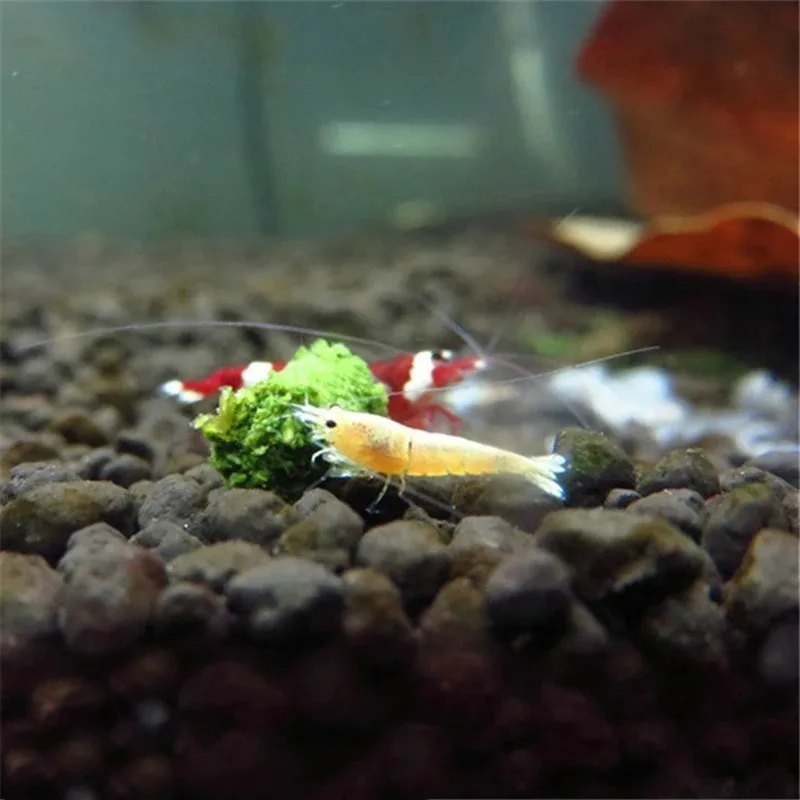
Feeding Saltwater Fish in Home Aquariums
Saltwater environments require a different approach when selecting tank fish food, as many marine species have specialized diets. Carnivorous saltwater fish like lionfish or groupers need a steady supply of protein from shrimp, squid, or fish fillets. Smaller reef species often benefit from frozen mysis shrimp or enriched brine shrimp.
Herbivorous saltwater species—such as tangs and blennies—rely heavily on marine algae, which can be provided in the form of dried seaweed sheets or veggie pellets. These keep their digestive systems functioning smoothly and help mimic their wild diet. For reef tanks containing corals, invertebrates, and fish, feeding must be balanced to support all inhabitants while preventing overfeeding that could harm water quality.
Saltwater tanks also benefit from vitamin‑enriched feeds, which help fish resist pathogens that are common in marine environments. Using high‑quality marine‑specific food ensures your saltwater species remain healthy, colorful, and resilient in the controlled conditions of a home aquarium.
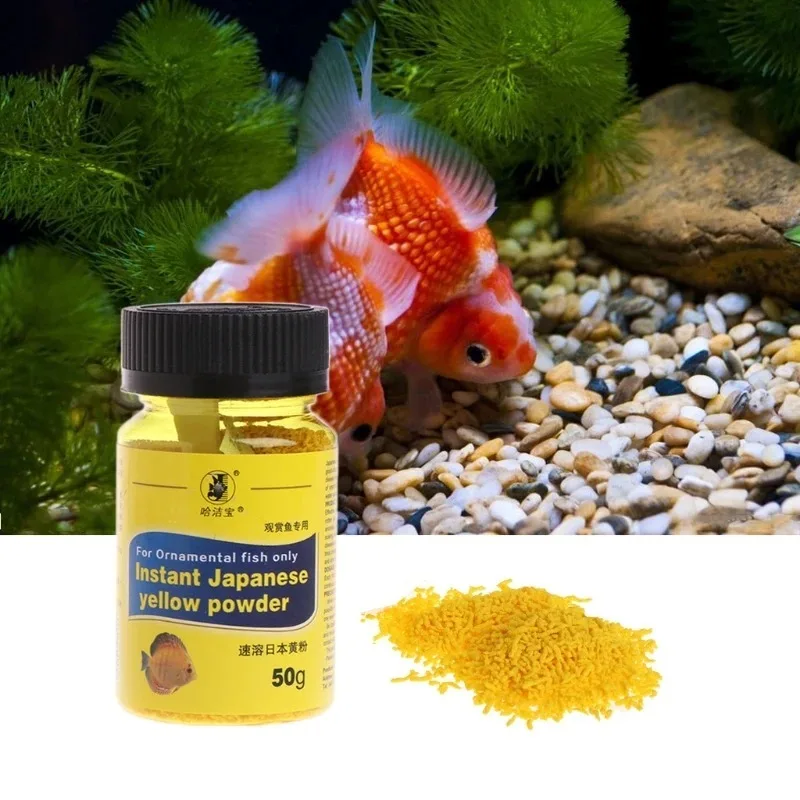
Balancing Nutrition and Feeding Frequency
Even with the right tank fish food, incorrect feeding schedules can undermine your fish’s health. Overfeeding is a common mistake—it clouds water, increases waste, and leads to nutrient imbalances. Fish should generally be fed small amounts they can consume in two to three minutes, two or three times per day.
A varied diet is essential. Rotating between flakes, pellets, and live food provides different textures and nutrient types. This variety prevents boredom and encourages natural feeding behavior. Supplementing with vitamin‑rich formulations once or twice a week supports immune strength.
Observing your fish during feedings can alert you to potential problems. If certain species consistently miss meals, consider adjusting feeding zones or times to accommodate them. Providing food that matches both nutritional needs and eating habits is the most effective strategy for ensuring fish remain healthy and active throughout their lives.

Enhancing Aquarium Health Through Food Choice
Choosing premium, species‑appropriate tank fish food benefits more than just the fish—it improves the overall ecosystem. High‑quality feed reduces excess waste, lowering the strain on filtration systems. It also prevents spikes in ammonia and nitrite levels, making maintenance easier and keeping aquatic life safe.
In planted aquariums, balanced feeding supports nutrient cycles. Fish waste provides essential elements for plant growth, but too much can overwhelm the system. Consistent feeding routines paired with quality food help keep the equilibrium. In mixed‑species tanks, thoughtful food selection minimizes competition and stress, ensuring harmony.
Healthy, well‑fed fish display better coloration, more natural behaviors, and increased resilience to illness. By putting care into your food choices, you not only enhance your fish’s life but also create a vibrant, balanced aquarium that becomes a living centerpiece in your home.
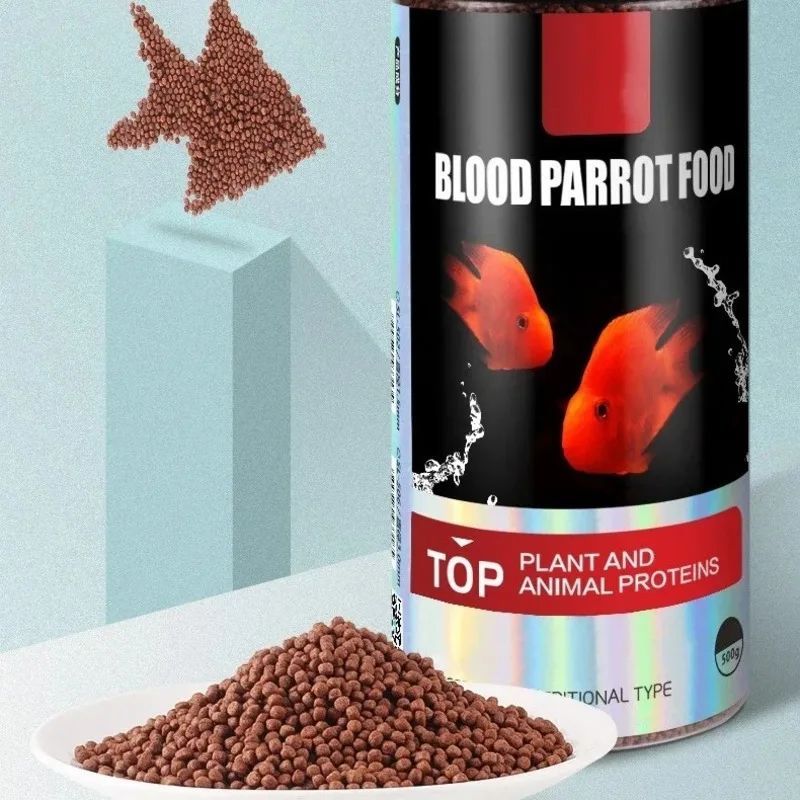
Final Thoughts on Tank Fish Food for Different Species and Environments
Selecting the right tank fish food is essential for maintaining healthy, lively fish and a thriving aquarium. By understanding the dietary habits of the species you keep, matching food types to their preferences, and choosing premium, nutrient‑rich options, you ensure their health and longevity.
Variety and portion control prevent waste and nutrient imbalances, whether in freshwater or saltwater setups. Thoughtful feeding strategies enhance the ecosystem of the tank, supporting not just the fish but the plants, invertebrates, and water quality as a whole.
In the end, the food you choose has a direct impact on the beauty and success of your aquarium. Invest in the right products, feed with care, and enjoy watching your fish flourish in an environment where every meal contributes to their vibrancy, health, and happiness.