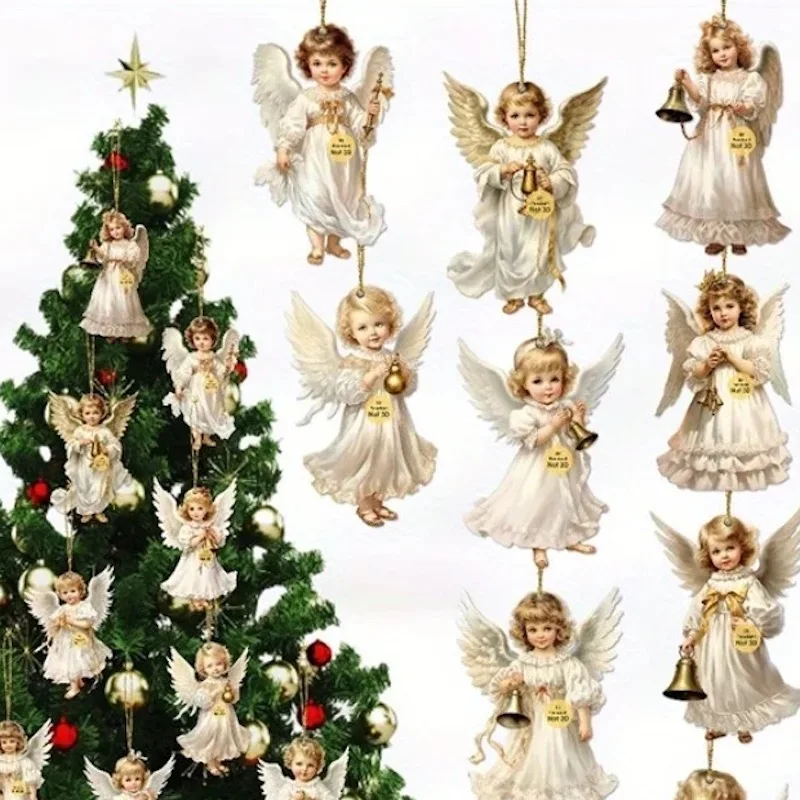
The Timeless Allure of Christmas Past
Walk into a room decorated with vintage Christmas pieces and the atmosphere changes instantly. The colors are softer, the lights are warmer, and everything seems to glow with a kind of gentle nostalgia. Unlike the hyper-bright LEDs and mass-produced ornaments of today, vintage Christmas decorations carry a sense of history. They whisper of Christmases that existed before streaming services, social media, and overnight shipping—when the pace of life was slower, and even a single glass ornament felt special.
Part of their charm comes from imperfection. The paint on a mid-century bauble might be slightly worn, tinsel might be a bit crinkled, and a cardboard Santa may show its age at the edges. Yet these signs of wear don’t detract from the beauty; they deepen it. They remind us that these objects have survived decades of holidays, moves, and family gatherings. In a consumer culture that often pushes us toward the new and the flawless, vintage decorations offer an antidote.
What Exactly Counts as “Vintage” Christmas?
When people talk about vintage Christmas decorations, they’re usually thinking of items from the mid-20th century—roughly the 1940s through the 1970s. But the category is broader than one era or aesthetic. A Victorian-style glass ornament, a 1950s aluminum tree, a 1960s plastic light-up Santa, and a 1970s felt stockings kit can all be considered vintage today. The defining feature isn’t just age. It’s the way these objects reflect the design trends, materials, and cultural mood of their time.
Postwar optimism, for example, shows up in the cheerful, saturated colors and whimsical motifs of the 1950s: bright red and turquoise ornaments, smiling reindeer, starburst tree toppers. The 1960s and 70s brought more experimentation with plastics, metallics, and bold graphic patterns, along with iconic pieces like ceramic light-up Christmas trees with tiny colored bulbs. Even earlier, pre-war glass ornaments—often hand-blown and hand-painted—tell a different story of craftsmanship and scarcity, where a delicate bauble might have been treasured and carefully packed away each year.
These styles coexist happily in a modern home. One of the pleasures of decorating with vintage pieces is mixing eras: pairing an aluminum tree with Shiny Brite-style ornaments, or hanging a fragile 1930s glass bird next to a chunky 1970s felt ornament. The result is less about historical accuracy and more about creating a layered, personal story of Christmas across time.
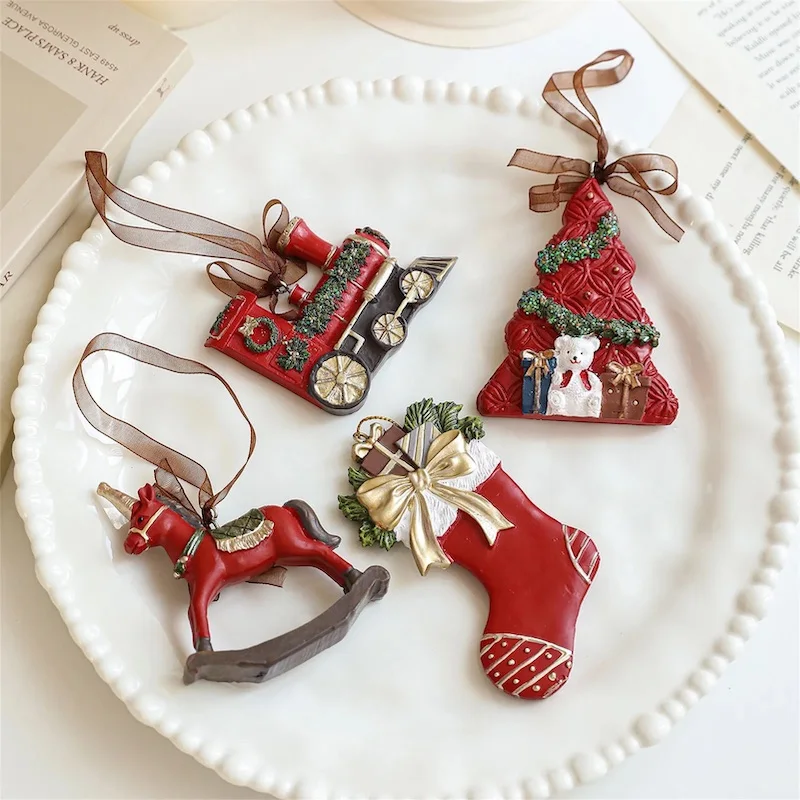
Signature Pieces That Define Vintage Holiday Style
Glass Ornaments, Tinsel, and Shiny Brites
Ask someone to picture “vintage Christmas” and odds are they’ll see a tree shimmering with delicate glass ornaments. In the mid-20th century, companies like Shiny Brite in the United States mass-produced glass baubles that were still surprisingly detailed: stenciled designs, glitter accents, stripes, indents, and reflective finishes that caught the glow of incandescent lights. Today, original boxes of Shiny Brite ornaments, with their retro typography and cardboard inserts, are collectibles in their own right.
Later, plastic and foil versions took over, but the effect remained the same: a sparkling cascade that turned a tree into a glowing centerpiece. Vintage garlands—glass beads, metallic paper chains, or foil stars—added even more texture and movement, creating a sense of abundance without the need for elaborate design skills.
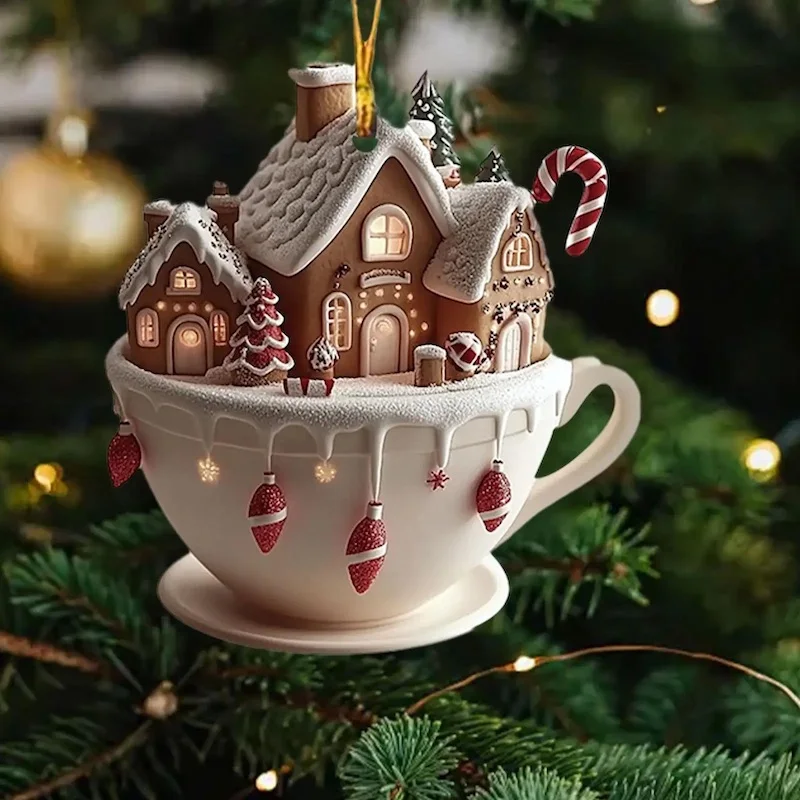
Trees, Lights, and Animated Charm
For many, nothing says “retro Christmas” like an aluminum tree. Popular in the 1950s and 60s, these shimmering silver (or sometimes colored) trees were often paired with a rotating color wheel that projected red, green, blue, and amber onto the branches. The effect was futuristic and festive at once, reflecting a mid-century fascination with space-age design and modern materials.
Lighting has its own history. Old-fashioned C6 and C7 bulbs—the chunky, colorful lights that once lined rooftops and trees—cast a deep, warm glow that modern LEDs struggle to replicate. Inside, bubble lights, with their tiny bubbling tubes perched on top of bulbs, brought playful animation to the tree. Ceramic trees with lights, those tabletop evergreens dotted with multicolored plastic “bulbs,” were a staple in many grandparents’ homes. And their gentle glow now instantly signals vintage comfort and nostalgia.
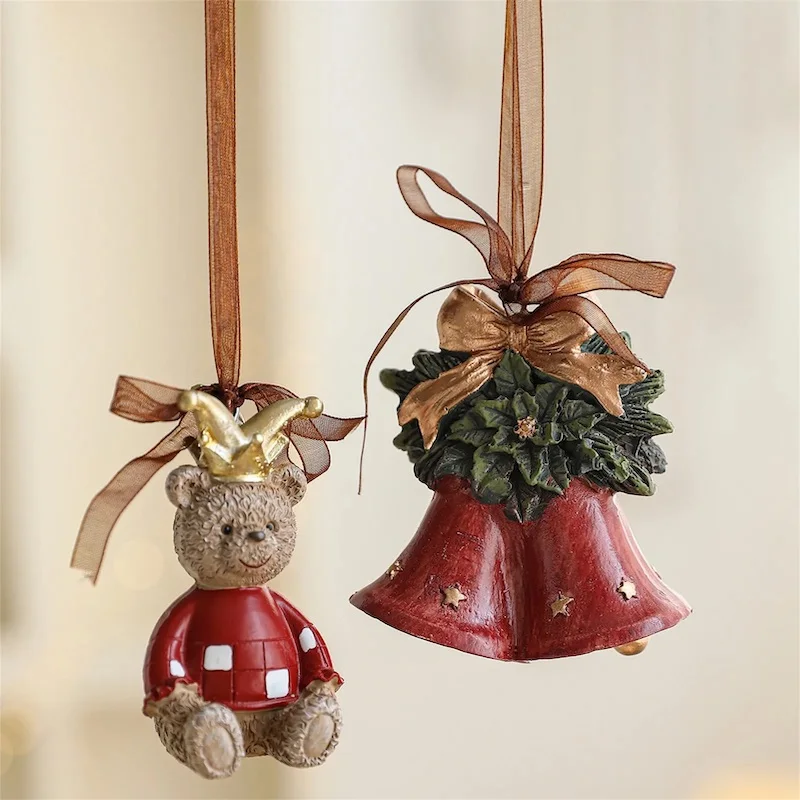
Why We Crave Vintage Christmas in a Modern World?
In an era of rapid change and digital overload, these objects suggest stability and continuity. They remind us of childhood visits to grandparents’ houses, of family photos with that same glowing ceramic tree in the background, or of stories about how one delicate ornament. Even if a piece doesn’t come from our own family, it can evoke a sense of shared cultural memory—an imagined Christmas of simpler times.
There’s also a reaction against the disposable nature of much modern holiday decor. Big-box stores roll out new themes and palettes every year, encouraging people to buy fresh sets of ornaments and ribbons just to stay “on trend.” Vintage decorations, by contrast, invite us to reuse, repair, and appreciate what already exists. A slightly tarnished ornament or a faded cardboard nativity set doesn’t feel outdated; it feels treasured. Collecting and displaying these pieces can be a quiet rebellion against constant novelty, a choice to value longevity over fashion.
On a more personal level, decorating with vintage items can help us slow down. Unwrapping fragile glass ornaments, positioning an old light-up Santa in the window, or carefully arranging tiny paper village houses on a mantel requires patience and intention. These rituals can become meditative moments in a hectic season—small acts that reconnect us to the tactile and the real. In a month that often feels dominated by online shopping and digital distractions. And handling these physical artifacts of Christmas past can feel grounding and restorative.
Bringing Vintage Charm into Your Home Today
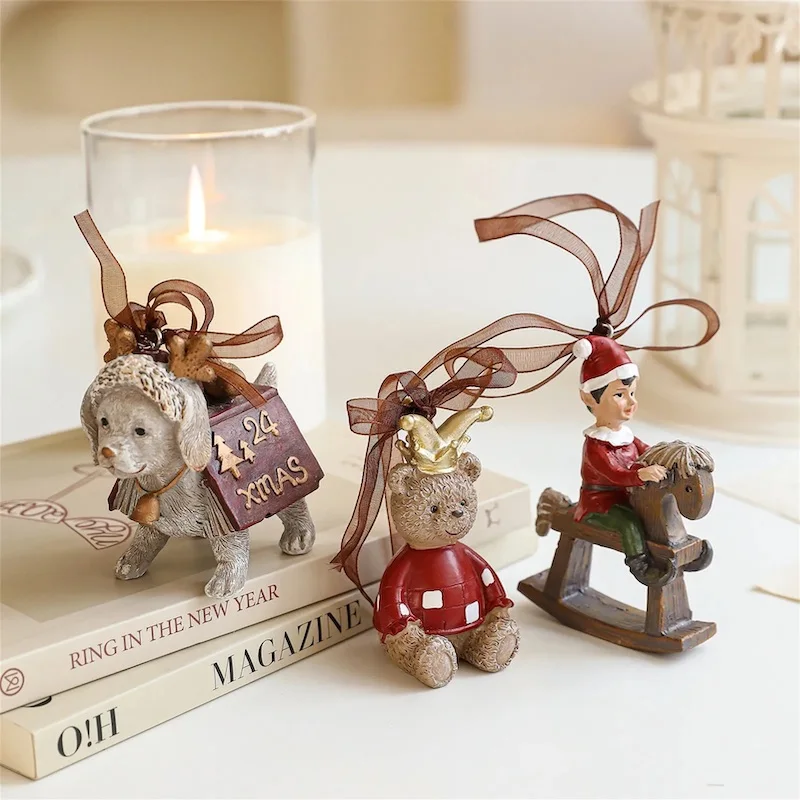
You don’t need a house full of antiques—or a huge budget—to enjoy the magic of vintage Christmas decorations. A single piece, thoughtfully placed, can shift the whole mood of your holiday decor. Start small: maybe a set of vintage glass ornaments for a tabletop tree, a ceramic light-up tree for a sideboard, or a retro Santa figurine for the entryway. Mix them in with your existing decorations rather than trying to overhaul everything at once. The juxtaposition of old and new often creates the most interesting and personal look.
If you’re hunting for vintage pieces, consider estate sales, thrift stores, flea markets, and online marketplaces. Look for signs of quality: sturdy construction, details in the painting, original boxes or tags when possible. A little wear is okay—sometimes even desirable—but check that electrical items have safe wiring if you plan to plug them in. Reproduction pieces can also be a great option, offering the vintage look with modern safety standards and durability. Many companies now recreate Shiny Brite-style ornaments, retro wrapping paper designs, and classic ceramic trees.
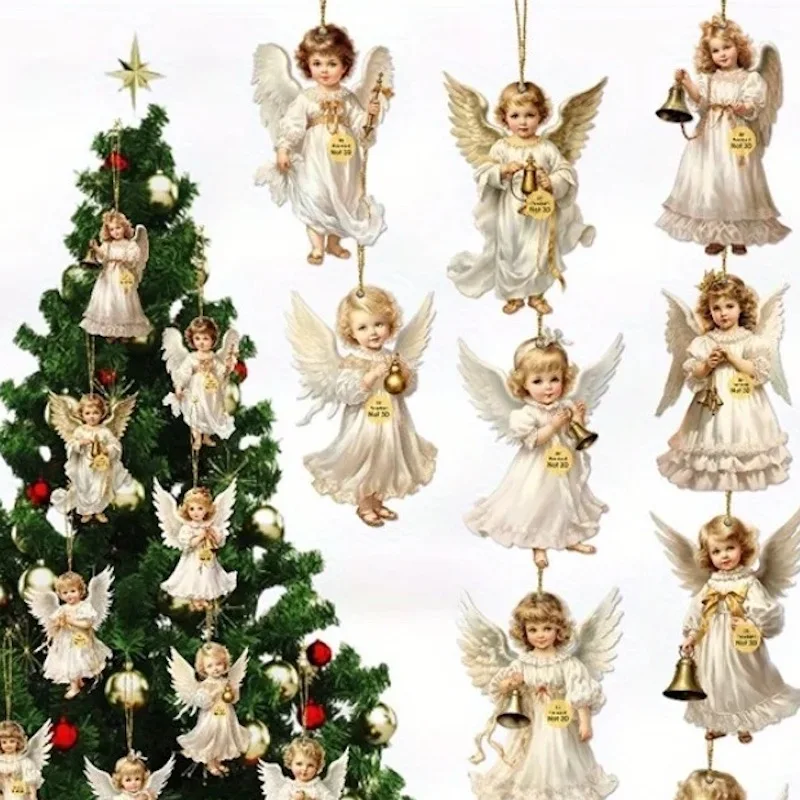
As your collection grows, you may find that certain items become emotional anchors for your own evolving traditions. Perhaps your kids will always associate “real Christmas” with the year you found. It is battered but beautiful glass tree topper, or the way the bubble lights danced on the branches. Over time, your vintage decorations will accumulate new stories, layered over the old ones they already carry. In the end, the magic of vintage Christmas decorations isn’t just in their age or aesthetic.