



Results for 150mm circular saw blade

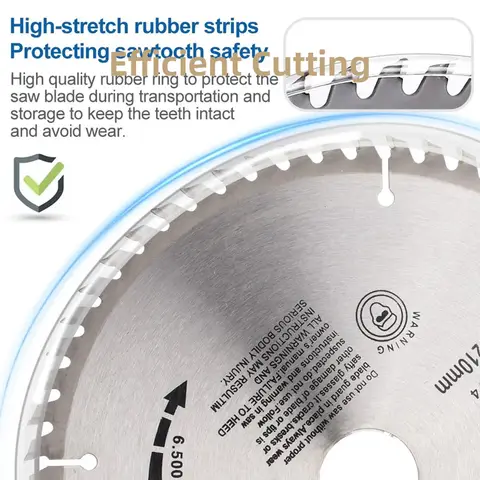
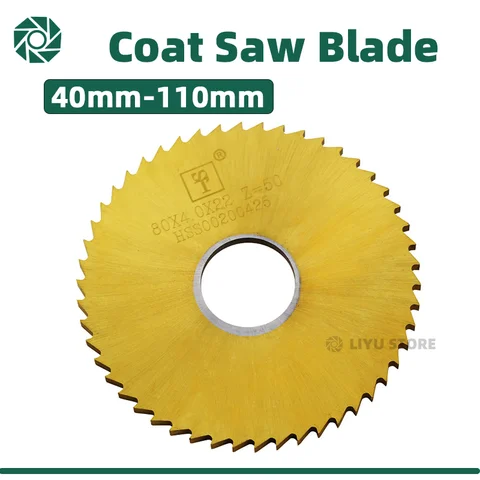
150mm circular saw blade is a precision cutting tool designed for efficient, clean cuts in wood, plastic, and light metal applications, commonly used in DIY projects, woodworking, and construction tasks. These blades are engineered for compatibility with standard 150mm saws and deliver consistent performance when paired with the right saw model and material type.
When users search for 150mm circular saw blade, they are typically seeking a high-quality, durable cutting disc that ensures accuracy and safety during operation. The search intent reflects a practical need: to find a blade that fits their circular saw, performs reliably across materials, and offers long-term value. This includes considerations such as tooth count, blade material, arbor size, and compatibility with specific saw models.
Arbor Size
The arbor size refers to the diameter of the hole in the center of the blade, which must match the shaft of the saw. For 150mm blades, the standard arbor size is 20mm, ensuring secure mounting and safe operation.
Tooth Count
Higher tooth counts (e.g., 40–60 teeth) produce smoother cuts, ideal for fine woodworking. Lower counts (24–30 teeth) are better for faster, rougher cuts in softwood or plywood.
Blade Material
High-speed steel (HSS) and carbide-tipped blades offer superior durability and heat resistance. Carbide-tipped blades are recommended for frequent or heavy-duty use.

To select the best 150mm circular saw blade, follow these steps:
  1. Verify your saw’s arbor size—ensure it matches the blade’s 20mm specification.
  2. Determine the material you’ll cut: use a high-tooth-count blade (40–60) for hardwoods and laminates; a lower count (24–30) for softwood or fast cutting.
  3. Choose carbide-tipped blades for longevity and reduced wear, especially when cutting abrasive materials.
  4. Check the blade’s maximum RPM rating—ensure it matches your saw’s speed to avoid overheating or blade failure.
  5. Always use a blade guard and safety gear during operation to prevent injury.

Users should avoid using damaged or warped blades, as they can cause uneven cuts or dangerous kickback. Regular cleaning and proper storage extend blade life. For optimal results, replace blades when cutting becomes rough or the blade starts to smoke.
When purchasing, look for products with clear specifications, including material, tooth count, arbor size, and RPM rating. Reputable brands often provide detailed performance data and user feedback, helping buyers make informed decisions. A well-chosen 150mm circular saw blade enhances precision, safety, and overall project quality.

150mm Circular Saw Blade -AliExpress

150mm Circular Saw Blade: The Ultimate Guide for Precision and Durability in Woodworking


When it comes to achieving clean, accurate cuts in woodworking projects, a high-quality 150mm circular saw blade is essential. Whether you're a DIY enthusiast or a professional craftsman, selecting the right blade directly impacts cutting efficiency, safety, and the finish of your work. This guide covers everything you need to know—material compatibility, blade types, performance specs, and real-world usage tips—to help you make an informed choice.

Understanding the Search Intent Behind “150mm Circular Saw Blade”


The term “150mm circular saw blade” refers to a circular saw blade with a diameter of exactly 150 millimeters (approximately 5.9 inches), designed to fit standard circular saws used in home workshops, construction sites, and small manufacturing environments. The search intent behind this keyword is typically practical and solution-oriented: users are looking for a reliable, durable blade that delivers precision cuts in materials like wood, plywood, MDF, and light metal.
This isn’t just about size—it’s about compatibility, cutting performance, and long-term value. A well-chosen 150mm blade ensures smoother operation, reduced vibration, and longer lifespan, especially when used with compatible saws and proper maintenance.
150mm Circular Saw Blade
A circular saw blade with a diameter of 150 millimeters, commonly used in handheld and bench-mounted circular saws for cutting wood, composite materials, and thin metal sheets.

Blade Diameter
The total width of the blade from one edge to the opposite edge, passing through the center. It determines compatibility with saw models and affects cutting depth and stability.

Arbor Size
The hole size in the center of the blade that fits onto the saw’s shaft. For 150mm blades, the standard arbor size is typically 20mm (0.79 inches).

Key Performance Factors for 150mm Circular Saw Blades


To ensure optimal performance, consider the following factors when selecting a 150mm circular saw blade:
- Material Type: Match the blade to your material—carbide-tipped blades are ideal for hardwoods and composites; high-speed steel (HSS) blades work well for softwoods and plastics.
- Tooth Count: Higher tooth counts (e.g., 40–60) produce smoother cuts; lower counts (e.g., 18–24) are better for faster, rougher cuts.
- Cutting Depth: A 150mm blade typically offers a maximum cutting depth of 45–50mm, depending on the saw model.
- Spindle Speed Compatibility: Most 150mm blades are designed for saws operating between 4,000–11,000 RPM.

Real-World Scenario: Replacing a Dull Blade for a Cabinet Project


Problem: You’re building a custom kitchen cabinet and notice your current 150mm blade is producing chipped edges and uneven cuts on plywood.
Solution: Replace the blade with a high-performance, carbide-tipped 150mm circular saw blade designed for fine woodworking.
  1. Identify your saw model to confirm compatibility with a 150mm blade and 20mm arbor size.
  2. Choose a blade with 40–50 teeth for clean, splinter-free cuts on plywood and MDF.
  3. Verify the blade’s material compatibility—ensure it’s rated for wood and composites, not just metal.
  4. Check the blade’s kerf width (typically 1.6–2.0mm) to ensure it matches your saw’s guide system.
  5. Install the blade securely, ensuring the arbor nut is tightened to manufacturer specifications.
  6. Test on scrap material before cutting your final cabinet panels.

Comparing 150mm Circular Saw Blades: Key Specifications


Below is a comparison of three common 150mm blade types based on real-world performance and material specs:
Feature Carbide-Tipped (Wood/Composite) High-Speed Steel (HSS) Multi-Material (Wood/Metal)
Blade Diameter 150mm 150mm 150mm
Tooth Count 40–60 24–30 30–40
Arbor Size 20mm 20mm 20mm
Material Compatibility Wood, plywood, MDF, laminate Softwood, plastic, light composite Wood, thin metal, aluminum
Recommended Use Fine woodworking, cabinetry General-purpose, budget cuts Multi-material projects, DIY

Pro Tips to Avoid Common Mistakes


- Never use a damaged or warped blade—even minor warping causes vibration and inaccurate cuts.
- Always use a guide or straight edge when making long cuts to maintain alignment.
- Keep the blade clean—resin buildup from wood can dull teeth and reduce cutting efficiency.
- Avoid forcing the saw—let the blade do the work; excessive pressure can cause overheating and blade damage.

Final Recommendation


For most woodworking applications—especially cabinetry, furniture making, and precision panel cutting—the best choice is a 150mm carbide-tipped circular saw blade with 48–50 teeth. It offers superior edge quality, longer life, and consistent performance across a variety of materials. Always verify the arbor size and ensure your saw model supports this blade size before purchase.
Investing in a quality 150mm circular saw blade isn’t just about cutting—it’s about achieving professional results with every project. Whether you're a weekend DIYer or a seasoned craftsman, the right blade makes all the difference.

Aliexpress