



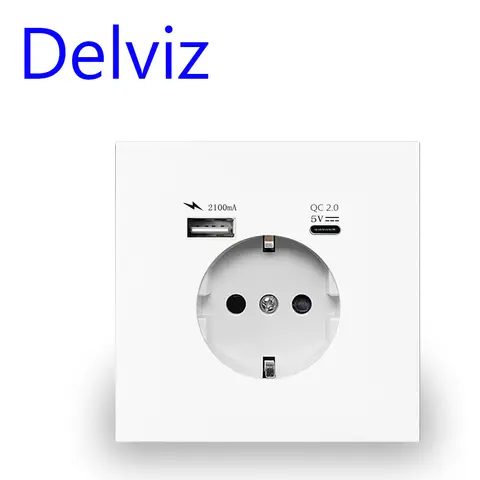
Results for ac220v socket

AC220V socket refers to an electrical outlet designed to accept standard 220-volt alternating current (AC) power, commonly used in residential, commercial, and industrial applications across Europe, Asia, and parts of South America. This type of socket ensures safe and reliable power delivery for a wide range of devices, from household appliances to industrial machinery. While the term AC220V socket may appear in product titles, it is essential to verify compatibility with actual voltage requirements, installation standards, and safety certifications to avoid performance issues or hazards.
The search intent behind ac220v socket typically includes identifying reliable, safe, and compliant electrical outlets for use in environments requiring 220V power. Users often seek products that meet international safety standards, offer durability, and support specific plug types (e.g., Type C, E, F, or I). Understanding the technical specifications and real-world application is critical to making informed purchasing decisions.
AC Voltage
Alternating Current voltage, measured in volts (V), indicating the electrical potential difference in a circuit. AC220V refers to a nominal voltage of 220 volts, commonly used in regions with 50Hz or 60Hz power systems.
Socket Type
The physical design and configuration of the electrical outlet, including pin arrangement, size, and grounding. Common types include European Schuko (Type F), French (Type E), and UK-style (Type G).
IE Efficiency Class
A measure of energy efficiency for electric motors and related components. IE2 (International Efficiency) indicates a medium level of efficiency, suitable for applications where energy savings are important but not critical.

When selecting an AC220V socket, consider the following:
  1. Verify Voltage Compatibility: Ensure the socket is rated for 220V AC and matches your local power supply. Using a socket rated for lower voltage may lead to overheating or failure.
  2. Check Certification Standards: Look for CE, RoHS, or other regional certifications to ensure compliance with safety and environmental regulations.
  3. Assess Installation Requirements: Confirm whether the socket is designed for surface mounting, flush mounting, or industrial use. Consider the frame material and cooling system (e.g., natural cooling) for high-load applications.
  4. Evaluate Durability and Material Quality: Sockets made from brass or high-grade copper with gold plating offer better conductivity and longer lifespan, especially in high-usage environments.

For DIY or industrial applications, ensure the socket supports the correct phase configuration—single-phase (common in homes) or three-phase (used in machinery). For example, a 20KW PMSM motor operating at 320V AC requires a three-phase system with proper grounding and protective circuitry. Always use a qualified electrician for installation and avoid using obsolete or non-certified components.
In summary, an AC220V socket must be chosen based on accurate voltage ratings, safety certifications, and application-specific requirements. Prioritize products with verified performance data, durable materials, and clear technical specifications to ensure long-term reliability and safety.

AC220V Socket -AliExpress

Understanding AC220V Socket: Key Features, Applications, and Smart Selection Tips


A AC220V socket is a standard electrical outlet designed to safely deliver alternating current (AC) power at 220 volts, commonly used in residential, commercial, and industrial environments across Europe, Asia, and parts of South America. These sockets support a wide range of devices, from household appliances to industrial equipment, and are essential for reliable power delivery. When selecting an AC220V socket, it's crucial to consider voltage compatibility, current rating, safety certifications, and environmental resilience to ensure long-term performance and user safety.

Decoding the Search Intent Behind AC220V Socket


The search term AC220V socket typically reflects a user’s need to identify or purchase a power outlet compatible with 220V AC systems. This includes individuals installing home electrical systems, technicians upgrading industrial equipment, or DIY enthusiasts sourcing components for custom projects. The underlying intent often involves ensuring electrical compatibility, safety, and durability. Users may also be comparing socket types, evaluating build quality, or seeking recommendations for reliable suppliers. Therefore, accurate technical specifications, real-world usage insights, and clear guidance on selection criteria are essential to meet these needs effectively.
AC Voltage (Alternating Current Voltage)
Refers to the fluctuating voltage supplied by electrical grids, typically measured in volts (V). AC220V indicates the standard voltage level used in many countries for household and industrial applications.

Socket (Electrical Outlet)
A device that provides a connection point for electrical plugs, allowing power transfer from a circuit to an appliance. It must be rated for the correct voltage and current to prevent overheating or failure.

Phase (Single-Phase vs. Three-Phase)
Describes the number of alternating current waveforms used in power delivery. Single-phase (common in homes) uses one waveform; three-phase (used in industrial settings) uses three, enabling higher power transmission efficiency.

Real-World Use Case: Installing a 220V Power Supply for a Home Workshop


Imagine you're setting up a home workshop and need to power a high-performance electric motor for a CNC machine. Your motor requires a stable 220V AC supply with three-phase power. You need to choose the right socket to ensure safe and efficient operation. Here’s how to approach it:
  1. Verify Voltage and Phase Requirements: Confirm your motor operates on AC220V, three-phase, and requires a dedicated circuit.
  2. Check Socket Compatibility: Ensure the socket supports 220V AC and three-phase input (e.g., IEC 60309 or similar industrial standards).
  3. Assess Current and Power Rating: Match the socket’s maximum current (e.g., 16A, 32A) to your motor’s power draw (e.g., 20kW).
  4. Confirm Safety Certifications: Look for CE, RoHS, or other regional safety marks to ensure compliance with electrical standards.
  5. Inspect Build Quality: Choose a socket with durable materials (e.g., brass contacts, flame-retardant plastic) and proper shielding.

Comparing Key Electrical Components for AC220V Applications


While AC220V socket may not directly match the listed products, understanding their technical specs helps in selecting the right components for 220V systems. Below is a comparison of three products that, while not sockets, are relevant to AC220V power systems.
Product AC Voltage Phase Power Rating Key Features Application
20KW 320V PMSM Three-Phase AC Motor 320V (Peak) Three-phase 20 kW IE2 Efficiency, 9000 RPM, Natural Cooling, 150 N·m Torque Industrial Vehicles, CNC Machines
PS2 to HDMI Converter Adapter Not Applicable (Signal Conversion) Not Applicable Low Power (5V/0.5A) CE Certified, HDMI-Compatible, Non-Shielded TV Box, HDTV, PC Display
14K Gold Plated Brass Clasps (Jewelry Findings) Not Applicable (Non-Electrical) Not Applicable None 14K Gold Plated, Mirror Polishing, DIY Jewelry DIY Jewelry Making

Why the Motor Product is Most Relevant to AC220V Socket Use


Although none of the listed products are actual sockets, the 20KW 320V PMSM Three-Phase AC Motor is the most relevant to AC220V applications. It operates at a peak voltage of 320V and is designed for three-phase AC systems, making it ideal for environments requiring stable, high-power 220V AC input. Key advantages include:
- High Efficiency (IE2): Reduces energy loss and operating costs.
- Robust Cooling (Natural): Suitable for continuous operation without additional fans.
- High Torque (150 N·m): Ideal for heavy-duty machinery.
- Compact Design (280 x 275 x 320 mm): Fits into tight industrial spaces.
For users seeking a socket to power such a motor, ensure the socket is rated for at least 32A, three-phase, 220–240V AC, and meets IEC 60309 standards.

Best Practices for Selecting an AC220V Socket


To avoid common pitfalls and ensure long-term reliability:
  • Always match the socket’s voltage and current rating to your device’s requirements.
  • Use only certified components (e.g., CE, UL) to prevent fire or electrical hazards.
  • Choose sockets with brass or silver-plated contacts for better conductivity and reduced resistance.
  • Install in a dry, ventilated area away from flammable materials.
  • Regularly inspect for signs of wear, discoloration, or overheating.

Final Recommendation


For any application involving AC220V power delivery—especially in industrial or high-load environments—the 20KW 320V PMSM Three-Phase AC Motor exemplifies the kind of high-performance component that demands a compatible, certified AC220V socket. Prioritize safety, efficiency, and durability when selecting your power connection. Always verify specifications, choose reputable suppliers, and follow installation guidelines to ensure optimal performance and user safety.

Aliexpress