







5
Results for cell phone screen protector
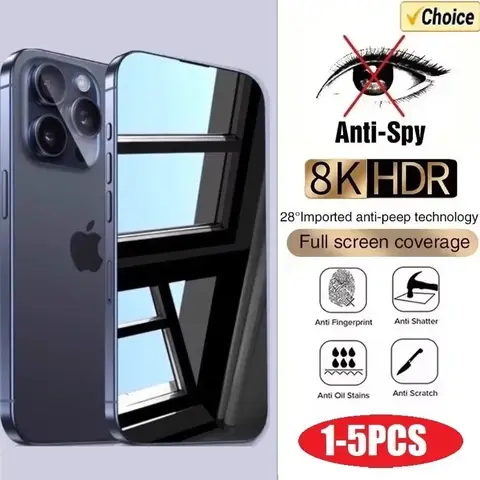
The best cell phone screen protector offers reliable protection against scratches, cracks, and smudges while maintaining screen clarity and touch sensitivity. When choosing a protector, consider factors like material type, compatibility, and ease of application. This guide provides a step-by-step approach to selecting and applying the best screen protector for your device, along with a comparison of popular options. When users search for “cell phone screen protector,” they typically want to find a durable and easy-to-apply solution to protect their device’s display. This search intent is often driven by the need to prevent damage from daily use, such as dropping the phone or using it in dusty environments. A cell phone screen protector can be made from materials like tempered glass, plastic film, or liquid polymer. Each type has its own advantages and is suited to different usage scenarios. For example, a user who frequently drops their phone may prefer a tempered glass screen protector for its impact resistance, while someone who values a thin and flexible option might choose a plastic film. To choose the best cell phone screen protector for your needs, follow these steps:
When shopping for a cell phone screen protector, you may encounter terms like “phone screen protectors,” “glass phone screen protector,” or “liquid cell phone screen protector.” Each of these refers to different types of screen protection solutions. For example, a phone screen protector is a general term for any product that shields the screen from damage. A cell phone tempered glass screen protector is a rigid, shatter-resistant option that mimics the feel of the original screen. A cell phone screen protector liquid is a clear, flexible coating that hardens after application. Understanding these terms can help you make a more informed decision. In real-world use, a cell phone screen protector can significantly extend the life of your device. For instance, a user who frequently uses their phone in a dusty workshop may benefit from a phone screen protection solution with a high level of scratch resistance. Meanwhile, someone who values aesthetics and touch responsiveness might prefer a best phone screen protector with an oleophobic coating to repel fingerprints.
- Identify your phone model to ensure compatibility
- Determine the type of protector you need (e.g., tempered glass, plastic, or liquid)
- Check for features like oleophobic coating, full coverage, and air bubble prevention
- Read user reviews to assess durability and ease of installation
- Compare prices and features across different brands and models
| Protector Type | Material | Thickness | Scratch Resistance | Touch Sensitivity | Price Range |
|---|---|---|---|---|---|
| Tempered Glass | Aluminum silicate | 0.3mm | High | Excellent | $5–$15 |
| Plastic Film | PET or TPU | 0.1mm | Moderate | Good | $2–$8 |
| Liquid Screen Protector | UV-curable polymer | 0.05mm | Low to moderate | Very good | $10–$20 |
- Tempered Glass Screen Protector
- A rigid, shatter-resistant screen protector made from specially treated glass that offers excellent impact and scratch resistance.
- Plastic Screen Protector
- A thin, flexible film made from materials like PET or TPU that provides basic protection against scratches and smudges.
- Liquid Screen Protector
- A clear, liquid polymer that is applied to the screen and cured with UV light to form a thin, durable layer of protection.
- Oleophobic Coating
- A special surface treatment that repels oils and fingerprints, making the screen easier to clean and maintain.